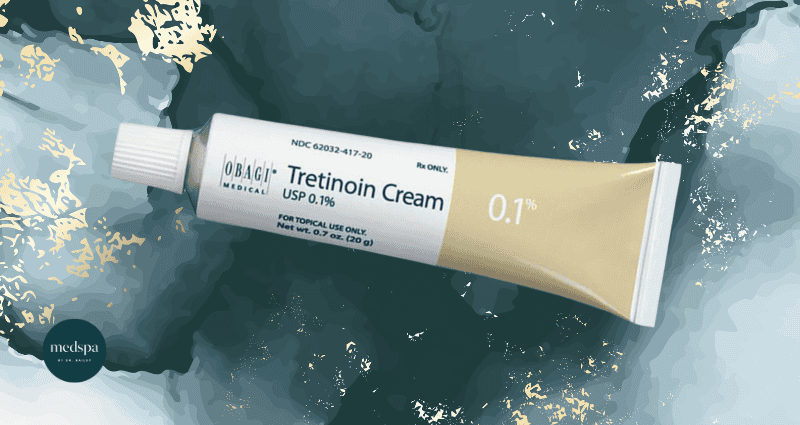
The skincare industry is saturated with products promising transformation, yet few truly deliver. Obagi Tretinoin is a rare exception. It’s a prescription-strength treatment backed by clinical evidence rather than marketing hype.
This unassuming tube of cream or gel contains an active ingredient which is called tretinoin. It is a skin care ingredient that is clinically proven to genuinely improve skin quality. It not only diminishes the look of fine lines and wrinkles, but can also eradicate acne, sun damage and pigmentation.
Whether you’re considering Obagi skincare and tretinoin for the first time or are already incorporating it into your routine, you likely have questions about what to expect.
In this guide, we’ll address some of the more common questions our patients have about the process of using this product. From the infamous purging phase to understanding realistic timelines for visible results.
What is Obagi Tretinoin?
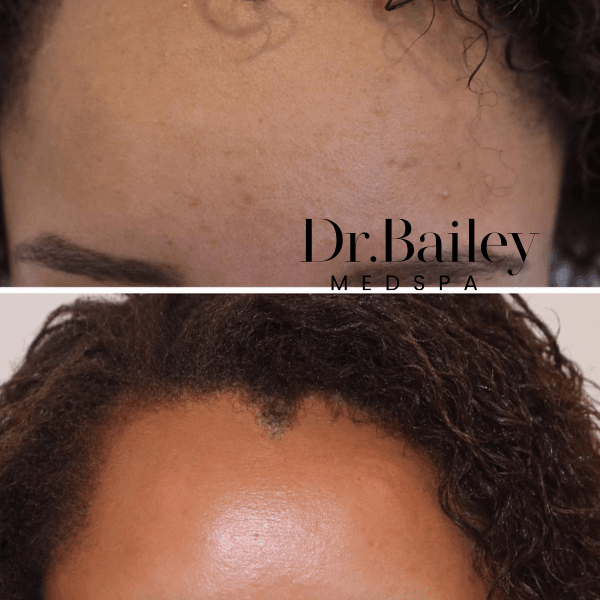
Obagi Tretinoin Cream is a fragrance free, prescription-strength retinoid that contains tretinoin (also called retinoic acid). Tretinoin is a derivative of vitamin A. It comes in different strengths to treat different skin concerns.
The product comes in the following strengths:
Strengths of cream:
- 0.025%
- 0.05%
- 0.1%
Gel strengths
- 0.05%
The different percentages in the formulations relate to how much tretinoin is in the product.
You will normally be advised to start on a low percentage and gradually work up to a higher level as your skin gets used to the effect of the active ingredient.
Is tretinoin the same as retinol?
Tretinoin and retinol are not the same but there are similarities. They are both forms of vitamin A, but tretinoin is prescription only, whereas retinoids can be bought over the counter.
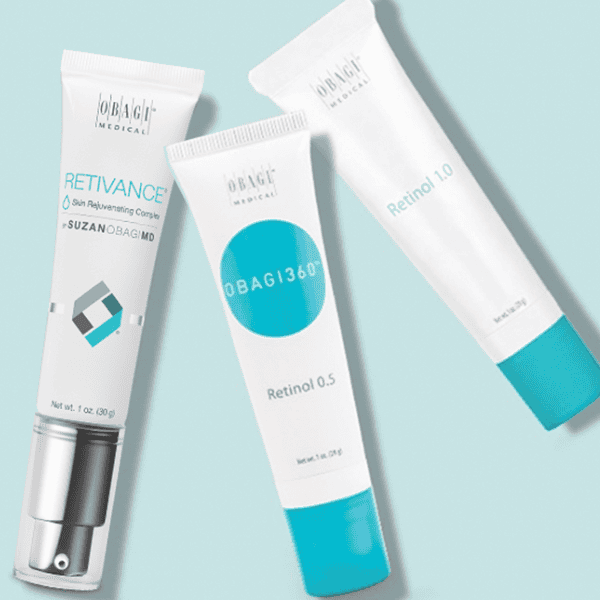
Your skin has to convert retinol into retinoic acid before it can work, which makes it gentler but slower to show results.
Tretinoin is already retinoic acid which means it doesn’t need converting. It works immediately and is more powerful. This means faster results but also a higher chance of irritation if not used correctly.
Think of retinol as a gentle nudge and tretinoin as a more powerful push towards skin renewal.
How does tretinoin work?
Skin cell turnover slows down as we age:
- Baby’s skin cells renew every 14 days
- Teenagers skin cells renew every 28 days
- Adults skin cells renew between 28 – 42 days
- Over 50’s skin cells renew up to every 84 days
When you understand this, you can begin to make the connection between how our skin quality naturally changes with age.
One way to help speed up the skin cell turnover is by exfoliating the skin. By sloughing off the dead skin with an abrasive skin care product you can reveal the healthier looking skin underneath.

Exfoliating skin care products are either physical, consisting of granular scrubs that agitate the skin, or they can come in the form of creams or gels like Obagi Tretinoin.
What are the benefits of increased skin cell turnover
Increased skin cell turnover means better quality skin. With a regular commitment to using an exfoliating product like Obagi Tretinoin you can speed up how quickly dead skin is removed.
These are the skin care issues we can treat with tretinoin:
- Acne
- Sun damage
- Pigmentation
- Reduction in fine lines and wrinkles
- Smoothing of uneven or rough skin texture
What are the side effects?
Not everyone who uses tretinoin will experience side effects, but quite a few people do. The main side effects that many people will be aware of is purging.
Purging is caused by the increased cell turnover as dead skin cells, oils and dormant impurities are brought to the surface of the skin more quickly.
What does purging look like?
When your skin purges from using tretinoin you may experience:
- Break outs and spots
- Dry skin
- Flaky skin
- Peeling
- Redness
Although this doesn’t sound great, the good news is purging is a sign that the medication is working.
Why do people quit tretinoin?
Purging is one of the most common reasons people stop using tretinoin. Patients who have realistic expectations and the right support are less likely to quit using the product. The key to getting the most out of tretinoin is consistency and trusting the process. If you do this you are likely to see significant skin improvements.
How long does purging last?
Each individual responds differently to purging. Some patients don’t experience it at all, while others notice it for a more prolonged period of time. The condition of your skin before you start using this product can impact the length of purging.
As a rule of thumb we would expect most patients to be over this process after 3-6 weeks. This is often inline with how long it takes for your skin cells to turnover.
Acne prone skin
Patients with acne often report that their purging can be more intense. This is because if you have acne your skin produces excess amounts of sebum. This combined with dead skin cells blocks the hair follicles and pores on the skin. These blockages lead to a build up of bacteria and to inflammation and this is what causes the conditions that lead to acne.
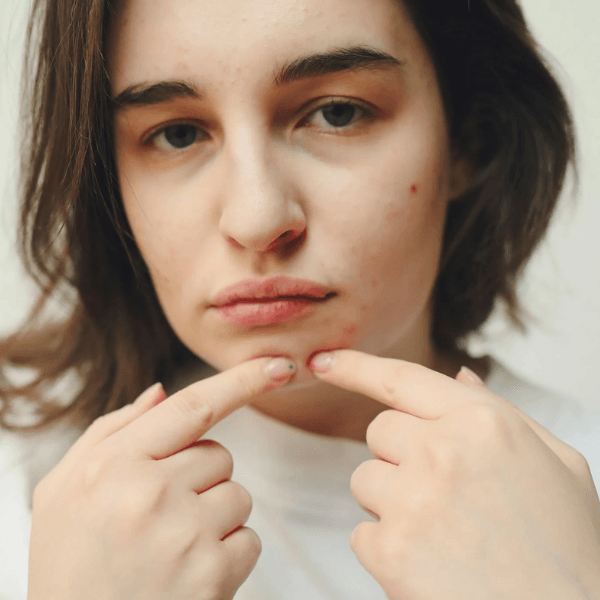
When you start to use Obagi Tretinoin your skin cell renewal speeds up bringing congestion to the surface of the skin more quickly. This can lead to your skin looking worse before it begins to look better.
If you have acne and you can push through the purging process the tretinoin will regulate skin cell turnover and prevent these blockages from forming in the first place, leading to clearer skin.
How to manage purging:
Your clinician will tell you how to use tretinoin to manage purging but as an overview you will want to:
- Start slowly, using tretinoin 2 to 3 nights per week, then building up gradually
- Using a gentle cleanser and a good moisturiser
- Avoiding layering other harsh actives during the first few weeks
If irritation becomes severe, reduce the frequency of usage or pause treatments and speak to your skin care provider.
Is flaky skin normal after using tretinoin?
Flaking and peeling are common side effects, especially in the first few weeks.
Increased cell turnover means dead skin cells are shed faster. This can show up as visible flaking or a dry, tight feeling.
How to manage flaky skin:
- Use a hydrating moisturiser at night to support your skin barrier
- Don’t pick or scrub at flaking skin, let it shed naturally
- Reduce how often you apply tretinoin if flaking is excessive (e.g. every other night instead of nightly)
- Apply tretinoin to fully dry skin after cleansing to minimise irritation
- Use SPF daily. Tretinoin makes skin more sensitive to sun damage, which can worsen dryness
Most people find flaking reduces after the first month once the skin adjusts.
How long before I will see results from Obagi Tretinoin?
Tretinoin is not an instant fix. Results build gradually over time, an approximate timeline would look like the following:
- 2 to 3 weeks: You may notice your skin feels smoother and looks slightly more radiant.
- 8 to 12 weeks: More visible improvements in texture, tone, fine lines, and pigmentation start to appear.
- 6 to 12 months: Full benefits, especially for sun damage, deeper wrinkles, and stubborn pigmentation.
If you’re combining Obagi Tretinoin with Obagi Medical grade skincare or in-clinic treatments like chemical peels or Profhilo you’ll likely see faster overall transformation.
The key is consistency. Once you stop using tretinoin, benefits will fade over time.
Obagi Tretinoin and sun exposure
Tretinoin makes your skin more vulnerable to UV damage because it speeds up turnover and temporarily thins the surface layer of your skin.
To protect the skin it is important to:
- Wear broad-spectrum SPF 30 or higher every day, even when it’s cloudy
- Avoid prolonged sun exposure, especially in the early weeks of treatment
- Wear a hat and seek shade when outdoors
- Never use tanning beds
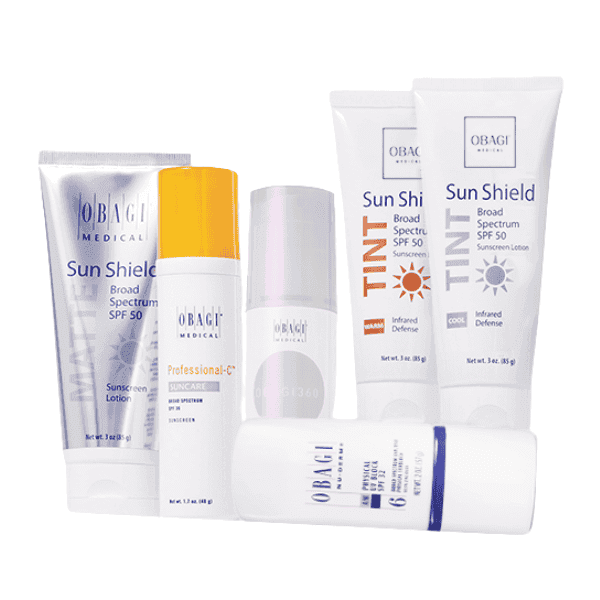
If you’re going on holiday or expect significant sun exposure, speak to your dermatologist or aesthetics practitioner about adjusting your routine temporarily.
Can I buy Obagi Tretinoin at Boots?
Tretinoin is prescription-only in the UK. so you can’t buy it over the counter at Boots or other high-street shops. To purchase tretinoin you need to visit a medical professional like Dr Bailey Medspa in Leeds who is licensed to prescribe medical grade skin care.
A consultation with a doctor or dermatologist is required so that they can assess your skin and prescribe the correct strength. They can also offer support and guidance on how to use this product correctly so you don’t experience too much irritation.
At Dr Bailey Medspa, we offer Obagi Tretinoin as part of the full Obagi skincare collection following a tailored consultation.
Is Obagi Tretinoin safe during pregnancy?
Tretinoin is not safe during pregnancy or breastfeeding due to the risk of birth defects. If you’re planning to become pregnant, or breastfeeding you should discuss this with your clinician before using this product.
How Obagi Tretinoin fits into your treatment plan at Dr Bailey Medspa
At Dr Bailey Medspa we don’t just hand you a tube and send you on your way. We provide Obagi Tretinoin as part of a tailored skin health plan that includes:
Initial consultation: We assess your skin type, concerns, previous retinoid use, and lifestyle to decide if Obagi Tretinoin is right for you and which strength to start with.
Complementary treatments:
- Obagi chemical peels to boost skin renewal
- Anti-wrinkle injections and dermal fillers to address volume loss and lines while tretinoin improves surface texture
- Profhilo and HarmonyCa to improve skin quality, hydration, and elasticity
Supportive skincare: We layer Obagi products (antioxidants, moisturisers, SPF) to manage side effects and maximise results.
Monitoring and progression: Regular check-ins to assess tolerance, track progress, and adjust strength or routine as needed.
Long-term strategy: Tretinoin is a maintenance treatment, not a one-off. We guide and support you on your journey to enhanced skin health.
Buy Obagi Products in Leeds
If you’re interested in Obagi Tretinoin Cream or any of the Obagi Medical skincare range, and want to understand how these products fit into a personalised skin health plan, book a consultation at Dr Bailey Medspa.
You can find us in the University Quarter, within the Roots of Respect building, 16 Blenheim Terrace, Woodhouse Leeds, LS2 9HN.
We’ll walk you through the best strength, treatment plan, and complementary options to help you achieve your skin goals.